




Liquid Ink Roller Pen vs Gel Pen: Which One Should You Choose?
 Sep 18, 2025|
 View:2452
Choosing the right writing instrument depends on writing needs. Liquid ink roller pen suits smooth writing experiences where ink flow matters. Gel pen works best for precise writing and color variety requirements.
The market for writing instruments continues evolving, with applications in professional settings, educational environments, and creative projects. Liquid ink roller pen offers smooth performance and consistent flow. Gel pen provides excellent color saturation and quick-drying properties.
This guide helps readers quickly determine which pen fits their writing requirements.
Key Takeaways
• Liquid ink roller pen is ideal for smooth writing where flow and comfort are important
• Gel pen excels in precise writing and color-intensive applications, making it suitable for detailed work
• Liquid ink roller pen offers consistent ink flow, allowing for extended writing sessions
• Gel pen features quick-drying properties that prevent smudging, ideal for left-handed users
• Both pen types are easy to maintain, but proper storage helps extend their lifespan
• Consider writing needs carefully; liquid ink roller pen is better for volume writing, while gel pen is best for detailed applications
• Budget considerations matter; liquid ink roller pen is generally more affordable, while gel pen offers premium features
• Customization options are available for both pen types, allowing for personalized writing solutions
Liquid Ink Roller Pen Basics
Construction
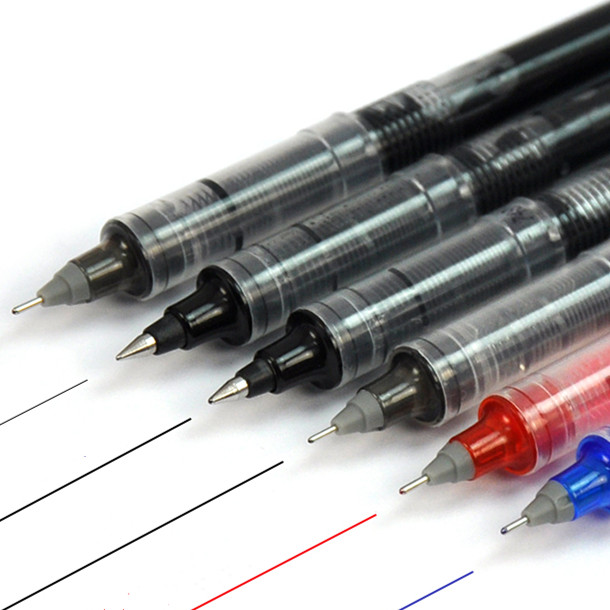
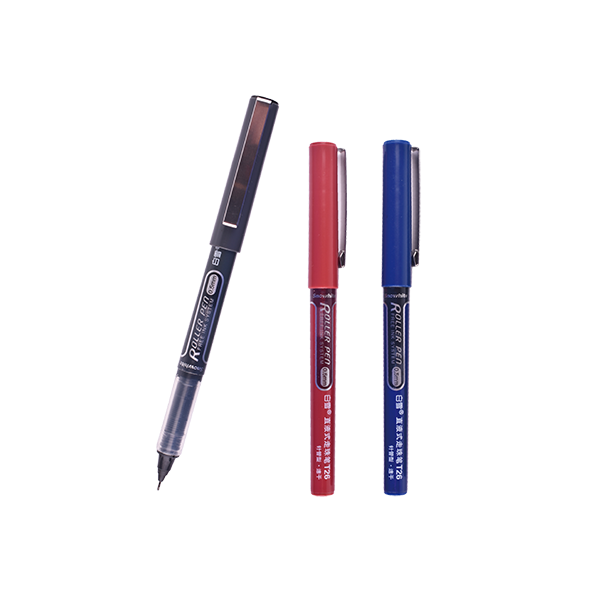
Liquid ink roller pen features a sophisticated ball-point mechanism engineered for smooth ink delivery. Manufacturers produce liquid ink roller pen by combining precision-engineered tips with water-based ink formulations. This process creates a reliable writing instrument suitable for various applications. The tip design of liquid ink roller pen controls ink flow precisely. Most liquid ink roller pen models feature tip sizes ranging from 0.5mm to 1.0mm, while specialty types reach different specifications for specific applications.
Tip: The following table summarizes standard liquid ink roller pen types and their construction methods.
| Type | Tip Size Range | Construction Method |
Fine Point | 0.5mm to 0.7mm | Suitable for detailed writing and document work |
Medium Point | 0.7mm to 1.0mm | Can handle general writing with smooth flow |
Bold Point | 1.0mm+ | Designed for signatures and bold writing |
Specialty | Variable | Includes archival, waterproof, and fade-resistant formulations |
Features
Liquid ink roller pen stands out for its smooth writing performance in various conditions. The ink flows consistently across paper surfaces, making it ideal for extended writing sessions. The water-based formulation provides excellent saturation while maintaining flow control. Low-viscosity ink allows liquid ink roller pen to glide effortlessly across paper. The precision tip ensures consistent line width throughout use.
Writing comfort remains a key advantage, with liquid ink roller pen available in ergonomic designs. The ink inhibits skipping, offers smooth flow properties, and maintains consistency under normal use. Cleaning liquid ink roller pen is straightforward, contributing to its reputation for reliability.

Applications
Writers and professionals select liquid ink roller pen for various settings. The instrument excels in note-taking, where smooth flow and comfort are essential. Office documentation, including reports and correspondence, benefits from liquid ink roller pen's consistent performance. Educational settings, such as lectures and examinations, use liquid ink roller pen for extended writing periods. Business meetings and conferences rely on liquid ink roller pen for reliable documentation.
While liquid ink roller pen offers many advantages, gel pen provides enhanced color options and precision control for projects requiring detailed work or creative applications.
Note: Black liquid ink roller pen remains popular for professional settings, offering reliability and consistent performance.
- Note-taking and documentation
- Office correspondence
- Educational applications
- Business meetings
- Extended writing sessions
Gel Pen Overview
Structure
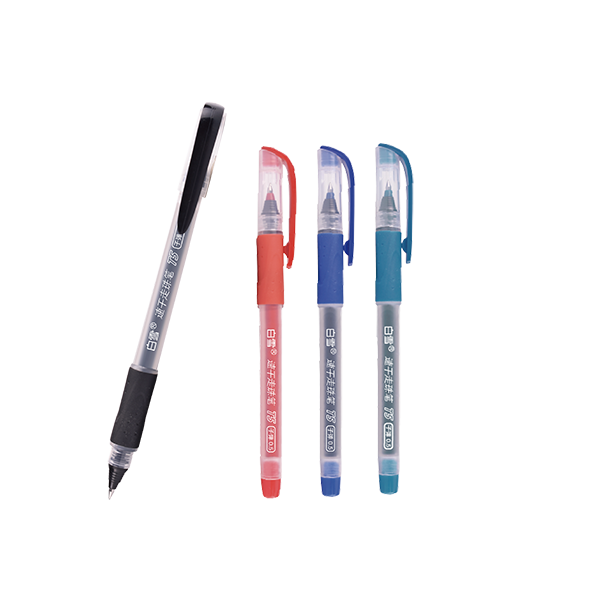
Gel pen stands out for its unique ink formulation and precision design. Manufacturers produce these pens by combining pigment-based ink with gel medium in precisely engineered delivery systems. The gel ink formulation typically maintains consistency from 0.5mm to 1.0mm tip sizes, making it suitable for both detailed and general writing applications. Leading manufacturers offer products within this range, each using gel ink technology for consistent performance.
| Manufacturer Type | Tip Size Range | Ink Composition |
Standard Gel | 0.5mm - 1.0mm | Pigment-based gel ink with water-based carrier |
Note: The pigment-based formulation of gel pen allows for vibrant colors and consistent coverage on various paper types.
Features
Gel pen offers superior color intensity compared to liquid ink roller pen. The pigment-based formulation prevents bleeding through paper while providing vibrant coverage. The gel ink resists fading, ensures consistent color saturation, and provides excellent archival properties. Its controlled flow nature eliminates issues with over-inking. The quick-drying finish provides protection against smudging. Manufacturers design gel pen for precision writing, offering enhanced control and consistent line quality.
- Vibrant color intensity for creative applications
- Quick-drying properties for left-handed users
- Superior pigment stability for document permanence
- Controlled ink flow for precision work
- Minimal bleeding on various paper types
- Enhanced grip and control for detailed writing

Applications
Designers and users select gel pen for applications demanding color variety and precision. The instrument excels in environments requiring detailed work and creative expression. Common applications include artistic projects, color-coding systems, detailed documentation, and creative writing. Gel pen also appears in professional settings requiring signature work, important document completion, and presentation materials.
| Application Type | Description |
Creative Projects | Vibrant colors for artistic and decorative work |
Professional Documentation | Precise writing for contracts and important papers |
Educational Settings | Color-coding and detailed note organization |
Personal Use | Journals, planners, and creative expression |
Tip: Gel pen provides versatile solutions for both professional and creative projects, outperforming liquid ink roller pen in applications requiring color variety and precision control.
Writing Performance Comparison
Smoothness
Writing smoothness defines the user experience for both liquid ink roller pen and gel pen. Liquid ink roller pen features water-based ink that flows freely across paper surfaces, creating effortless writing motions. This design minimizes pressure requirements and reduces hand fatigue during extended sessions. Gel pen offers controlled smoothness with enhanced feedback, providing users with precise control over line formation.
Users in professional environments report different preferences based on writing tasks. Liquid ink roller pen delivers superior flow for high-volume writing. Gel pen provides better control for detailed work requiring precision.
Tip: For projects requiring extended writing with minimal fatigue, liquid ink roller pen offers superior smoothness and flow characteristics.
Control
Control plays a crucial role in writing instrument selection. Gel pen maintains consistent line width through controlled ink release. Its thicker formulation provides tactile feedback that enhances precision. Liquid ink roller pen offers smooth control with less resistance, making it suitable for rapid writing tasks. The water-based ink responds quickly to pressure changes.
Both materials receive positive feedback from users in educational, professional, and creative sectors. They note that these instruments handle various writing styles and applications effectively.
- Both instruments require minimal maintenance, saving time and costs
- Writing surfaces resist smudging and provide clean results
- Gel pen excels in applications requiring precision and control
- Liquid ink roller pen performs well in high-volume writing tasks
Performance testing confirms that gel pen is preferred for detailed work requiring precision control. Liquid ink roller pen remains the practical choice for smooth, high-volume writing in professional environments.
Ink Quality Analysis
Flow Characteristics
Liquid ink roller pen offers practical ink flow for most writing applications, but its performance in demanding conditions requires consideration. Manufacturers design liquid ink roller pen to provide consistent flow, meaning it handles regular writing tasks effectively. However, environmental factors reveal important considerations. Temperature variations can affect flow consistency, and extended storage may impact performance. These details indicate that while liquid ink roller pen provides reliable flow under normal conditions, extreme conditions may affect consistency.
Users often recommend liquid ink roller pen for controlled environments such as offices, classrooms, or home use. In applications where flow consistency is critical, gel pen may provide better performance.
Tip: Always check manufacturer specifications before selecting liquid ink roller pen for demanding writing applications.
Color Performance
Gel pen stands out as the preferred choice for color-intensive applications. Its pigment-based formulation prevents color degradation, making it highly effective where color quality is essential. Industry standards highlight several advantages of gel pen in color applications:
| Feature | Application Area |
Pigment-Based Ink | Art projects, color-coding systems |
Color Stability | Important documents, archival work |
| Advantage | Application Area |
Vibrant Saturation | Creative projects, presentation materials |
Fade Resistance | Long-term documentation |
| Performance Feature | Application |
Color Consistency | Art projects, professional documentation |
Light Stability | Essential for archival and display purposes |
Designers specify gel pen for artistic projects, important documentation, archival work, and presentation materials. The instrument maintains color integrity and appearance even after extended exposure to light and handling.
Design and Functionality
Color Options
Designers and writers value writing instruments that offer creative freedom. Both liquid ink roller pen and gel pen provide versatility in color selection, though with different approaches. Major suppliers deliver various options, allowing users to match specific project requirements.
Liquid ink roller pen typically features standard colors including black, blue, and red, focusing on professional applications. Gel pen offers an extensive palette including metallic, glitter, and specialty colors for creative applications.
Options include standard business colors, vibrant artistic hues, and specialty formulations for specific needs. This variety ensures that every application, from professional documentation to creative projects, can achieve appropriate color requirements.
Tip: When selecting writing instruments, consider the color requirements and intended applications to choose the most suitable option.
Ergonomics
Ergonomic design plays a crucial role in user comfort and writing performance. Both liquid ink roller pen and gel pen offer various grip designs and barrel configurations. This flexibility allows for comfortable writing experiences across different user preferences and writing styles.
| Customization Aspect | Details |
Grip Design | Various textures and materials for enhanced comfort |
Barrel Shape | Round, triangular, and contoured options for different preferences |
Weight Balance | Optimized distribution for reduced fatigue during extended use |
Writers can select grip styles and barrel configurations to fit their writing habits. Both pen types adapt well to different hand sizes and writing preferences, whether for detailed work or extended writing sessions.
- Available in multiple grip styles and barrel designs
- Supports ergonomic solutions for comfortable writing
- Provides consistent performance across different user preferences
Gel pen excels in applications requiring precise control, while liquid ink roller pen provides optimal comfort for extended writing sessions.
Note: Ergonomic features allow both pen types to meet the demands of various users and writing applications.
Cost Considerations
Purchase Price
Purchase price significantly influences writing instrument selection between liquid ink roller pen and gel pen. Liquid ink roller pen typically offers more affordable options for users requiring reliable writing instruments without specialty features. Manufacturers produce liquid ink roller pen with streamlined formulations, reducing costs. Gel pen features specialized pigment-based ink and precision engineering, increasing the price per unit. Users often view gel pen as an investment for applications demanding color quality and precision.
When evaluating purchase price, users should consider intended applications. For high-volume writing tasks, the cost comparison favors liquid ink roller pen. Gel pen justifies higher pricing in applications requiring color variety, precision, or archival quality.
Long-term Value
Long-term value depends on durability, ink capacity, and replacement frequency. Liquid ink roller pen typically provides extended writing capacity, with many users reporting consistent performance throughout the pen's lifespan. Gel pen delivers excellent performance in specialized applications, though writing capacity may vary based on ink thickness and usage patterns.
Facility managers and frequent writers often evaluate cost comparison by factoring in replacement frequency and performance consistency. Gel pen excels in applications requiring color stability and precision control, potentially reducing the need for multiple writing instruments. Liquid ink roller pen provides reliable performance for general writing tasks with favorable cost-per-word ratios.
| Feature | Liquid Ink Roller Pen | Gel Pen |
Purchase Price | Lower initial cost | Higher due to specialized features |
Writing Capacity | Extended writing per pen | Variable based on application |
Replacement Frequency | Lower due to higher capacity | Higher for heavy use applications |
Users should assess total writing costs, not just initial price. Gel pen may cost more initially, but its specialized performance can provide value in specific applications. Liquid ink roller pen remains economical for general writing tasks where specialty features are not required.
Maintenance and Care
Storage
Proper storage extends the life of both liquid ink roller pen and gel pen. Manufacturers recommend specific storage practices for optimal performance. Users should store pens horizontally when possible, keeping caps securely attached to prevent ink drying. Temperature control helps maintain ink consistency, particularly for liquid ink roller pen with water-based formulations.
For extended storage periods, users can store pens tip-down to maintain ink flow readiness. This method prevents air bubbles and ensures smooth writing when pens are needed. Both gel pen and liquid ink roller pen benefit from consistent storage conditions.
Tip: Proper storage prevents performance issues and extends the useful life of both pen types.
Cleaning
Both liquid ink roller pen and gel pen offer excellent maintenance simplicity. Their sealed ink systems prevent contamination and reduce cleaning requirements. Regular use keeps ink flowing properly and prevents clogging. If ink flow becomes inconsistent, gentle scribbling on scratch paper typically restores performance.
For gel pen, occasional tip cleaning with a damp cloth removes any dried ink residue. Liquid ink roller pen rarely requires cleaning due to its smooth-flowing formulation. Both pen types maintain performance with minimal user intervention.
Note: Consistent use and proper storage eliminate most maintenance requirements for both pen types.
Troubleshooting
Minor performance issues can occur with any writing instrument. Liquid ink roller pen may experience flow interruption if exposed to extreme temperatures or stored improperly. Gentle warming and tip priming on paper typically restores normal function. Gel pen may develop tip clogging if left uncapped for extended periods, requiring gentle cleaning or initial scribbling.
For persistent issues, replacement typically provides the most cost-effective solution. Both pen types are designed for reliable performance with minimal troubleshooting requirements.
Tip: Most performance issues resolve with simple maintenance steps, but replacement may be more economical than extensive troubleshooting.
Applications and Use Cases
Professional Settings
Professional environments benefit from both liquid ink roller pen and gel pen depending on specific requirements. Liquid ink roller pen excels in business settings requiring extensive writing, such as meetings, documentation, and correspondence. The smooth flow and professional appearance make liquid ink roller pen suitable for formal business applications.
Business applications value liquid ink roller pen for its reliability and cost-effectiveness. Office workers appreciate the consistent performance during extended writing sessions. Legal and medical professionals often prefer liquid ink roller pen for documentation requiring clear, consistent text.
- Meeting notes and documentation
- Correspondence and formal letters
- Contract completion and signatures
- Daily office tasks and planning
- Professional presentations and reports
Educational Applications
Educational settings benefit from both pen types based on specific needs. Students appreciate gel pen for color-coding, creative projects, and detailed note organization. The quick-drying properties make gel pen suitable for left-handed students and prevent smudging during examinations.
Teachers and educators often select liquid ink roller pen for grading and extensive writing tasks. The smooth flow reduces fatigue during lengthy grading sessions, while the professional appearance maintains appropriate presentation standards.
| Application Area | Liquid Ink Roller Pen | Gel Pen |
Note-taking | Excellent for extended writing sessions | Good for color-coded organization |
Examinations | Reliable performance under time pressure | Quick-drying prevents smudging |
Creative Projects | Basic writing needs | Superior color variety and precision |
Documentation | Professional appearance and consistency | Enhanced visual organization |
Creative Applications
Creative applications showcase the strengths of both pen types. Gel pen dominates artistic projects, journaling, and decorative writing due to its color variety and precision control. Artists and crafters value gel pen for detailed work and vibrant color expression.
Liquid ink roller pen serves creative writing, drafting, and planning activities where smooth flow and comfort matter more than color variety. Writers appreciate the reduced hand fatigue during extended creative sessions.
Creative professionals often maintain both pen types to match specific project requirements, utilizing gel pen for detailed color work and liquid ink roller pen for extensive text generation.
Selection Guide
Project Assessment
Every writing task has specific requirements. The right pen depends on the intended use, writing duration, and desired outcomes. For professional documentation, users often prioritize reliability, consistency, and professional appearance. In creative applications, color variety and precision control typically matter most.
Users should consider these factors:
Writing Volume: Extended writing sessions benefit from liquid ink roller pen's smooth flow and reduced pressure requirements. Gel pen suits shorter, more detailed writing tasks.
Color Requirements: Projects requiring color variety favor gel pen's extensive palette. Standard documentation typically uses liquid ink roller pen in black or blue.
Precision Needs: Detailed work, technical drawing, or artistic applications benefit from gel pen's controlled flow. General writing tasks work well with liquid ink roller pen.
Budget Considerations: Liquid ink roller pen provides cost-effective solutions for high-volume writing. Gel pen offers specialized features that justify higher costs in appropriate applications.
Environmental Factors: Office environments typically favor liquid ink roller pen, while creative or educational settings may benefit from gel pen's versatility.
Tip: Identify the most critical requirements before selecting a pen type to ensure optimal performance for specific applications.
Decision Framework
A clear framework helps users make informed writing instrument decisions. Use this guide to compare options for various applications:
What type of writing will be performed?
- Professional documentation, creative projects, educational tasks, or technical applications?
How important is color variety?
- Gel pen provides extensive color options for organization and creativity.
Is writing volume a consideration?
- Liquid ink roller pen offers superior comfort for extended writing sessions.
What is the budget for writing instruments?
- Liquid ink roller pen delivers excellent value, while gel pen provides specialized features.
Are there specific performance requirements?
- Gel pen excels in precision applications, liquid ink roller pen in smooth flow needs.
How important is maintenance simplicity?
- Both pen types require minimal maintenance with proper storage.
| Decision Factor | Liquid Ink Roller Pen | Gel Pen |
Writing Volume | Excellent for extended use | Better for detailed, shorter tasks |
Color Variety | Limited standard colors | Extensive palette available |
Precision Control | Good general control | Superior for detailed work |
Cost Effectiveness | Lower cost, higher capacity | Higher cost, specialized features |
Professional Use | Excellent for business applications | Good for creative professional work |
Note: Review this framework with your specific needs to ensure the selected pen type addresses all requirements.
Expert Consultation
Some applications require professional input to ensure optimal results. Consulting with writing instrument specialists ensures the selected pen meets technical and performance requirements.
Consider seeking advice for:
- High-volume professional applications requiring specific performance standards
- Creative projects demanding precise color matching or archival quality
- Educational institutions requiring standardized writing instruments
- Specialized applications with unique requirements or environmental conditions
- Bulk purchasing decisions requiring performance and cost analysis
Qualified suppliers can assess specific needs, recommend appropriate products, and provide samples for testing. They can explain performance differences and maintenance requirements for each pen type.
Professional consultation helps avoid unsuitable choices and ensures selected writing instruments deliver reliable performance for intended applications.
Snowhite Solutions
Why Choose Quality
Quality writing instruments make a significant difference in daily writing tasks. Professional-grade liquid ink roller pen and gel pen offer consistent performance that users can depend on. Advanced manufacturing processes ensure every pen meets strict quality standards, providing reliable writing experiences across various applications.
Quality writing instruments excel in professional and educational environments, delivering consistent performance that enhances productivity and satisfaction. Quality construction provides superior durability, making premium pens suitable for demanding applications while maintaining cost-effectiveness through extended service life.
Choosing quality writing instruments ensures reliable results for every writing task, whether professional documentation or creative projects.
Conclusion
Choosing between liquid ink roller pen and gel pen depends on writing needs and application requirements. Liquid ink roller pen suits smooth writing experiences where flow and comfort matter most. Gel pen works best for precision writing and color variety applications.
Project users should review their specific requirements to select the appropriate writing instrument. Liquid ink roller pen provides excellent value for extended writing tasks, while gel pen offers specialized features for detailed and creative applications.
For those seeking reliable liquid ink pen manufacturer partnerships, Snowhite provides quality writing instruments designed to meet professional and personal writing needs with consistent performance and innovation.
FAQ
What is the main difference between liquid ink roller pen and gel pen?
Liquid ink roller pen uses water-based ink for smooth flow. Gel pen features pigment-based gel ink for color intensity and precision control.
Can liquid ink roller pen be used for detailed work?
Liquid ink roller pen works for general detailed writing but gel pen provides superior precision for intricate work requiring exact control.
Which pen type is better for extended writing sessions?
Liquid ink roller pen excels in extended writing due to its smooth flow and reduced pressure requirements, minimizing hand fatigue.
Is gel pen more expensive than liquid ink roller pen?
Gel pen typically costs more due to specialized pigment-based ink formulation, while liquid ink roller pen offers cost-effective solutions for general writing.
How do you maintain liquid ink roller pen and gel pen?
Both pen types require minimal maintenance - proper storage with caps secured and occasional use to maintain ink flow.
Can gel pen be used for professional documentation?
Gel pen works well for professional applications requiring color-coding or precision, though liquid ink roller pen remains preferred for standard business documentation.
Which pen type lasts longer?
Liquid ink roller pen typically provides longer writing capacity due to efficient ink flow, while gel pen offers consistent quality throughout its service life.
Are both pen types suitable for left-handed users?
Both work for left-handed users, though gel pen's quick-drying properties provide additional smudge prevention benefits.



View More(Total0)Comment lists